

2025–2026 Impact Report
Beloved Village
Building a real
alternative to incarceration
Young people are too often held in detention or placed in institutions because they do not have a safe place to go. Families who need housing, income, transportation, or support are met with separation instead of investment. Young people who have survived violence and instability are sent deeper into systems that cause more harm.
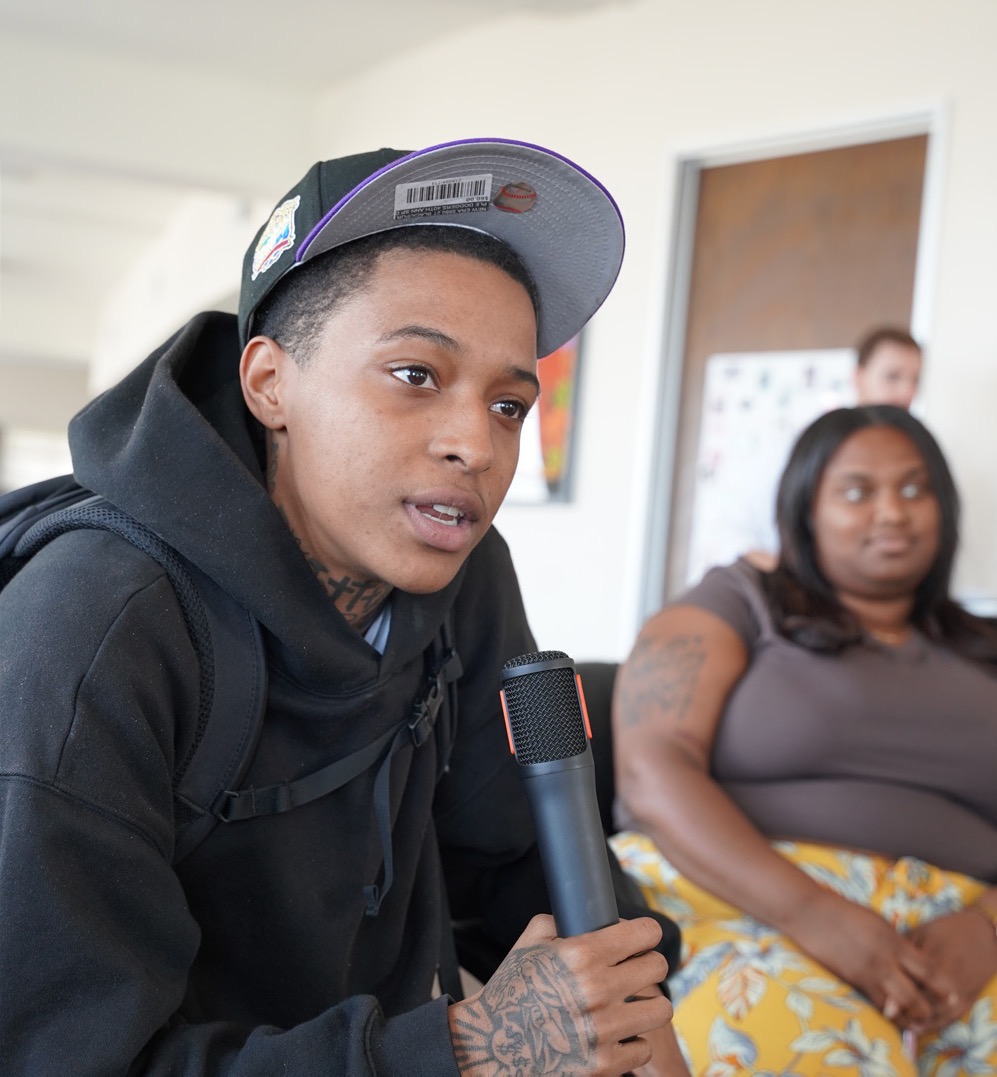
Beloved Village was created to build another way.
Rooted in more than 30 years of YWFC’s work, Beloved Village is building a real alternative to the incarceration and institutionalization of girls and trans youth. We help young people come home to family or trusted caregivers, secure stable housing, and receive the long-term support they need to heal and determine their own futures.
But release alone is not freedom. Young people need somewhere safe to sleep and the support to return to school, find meaningful work, care for their children, strengthen their mental health, and stay connected to the people they love. They need someone who will remain beside them through setbacks and transitions, and not only until a case closes or a program ends.
Since launching in 2023, Beloved Village has deeply supported 79 young people across Los Angeles and Northern California. Sixty-four continue to receive intensive, long-term support.
The young people we work alongside are 18 years old on average. Nearly all are young people of color. One in four is a young caregiver, and nearly one in four has survived exploitation or trafficking.
Beloved Village sees their strength, not just what they have survived. We build around their goals, their families, and their right to choose what comes next.
A real alternative
When young people entered Beloved Village, 35 were living in detention. Today, only six remain confined.
The average time young people spent in detention fell from 93 days to 54.
98% of Beloved Village participants who entered with active legal-system involvement moved closer to freedom through release, reduced sentences, completed probation or electronic monitoring, or record clearance. These outcomes show that incarceration is not inevitable.
Beloved advocates begin building relationships with young people while they are still inside. They work with attorneys, families, probation departments, schools, and community partners to help young people return home sooner and with real support around them.
When returning to family is not possible, Beloved works to build another circle of care. The project recruits and supports extended family members and trusted people in the community who can offer young people a safe, loving place to land.
This work reflects a promise named in the Sister Warriors Freedom Charter:
“We deserve homes where we can rest, be at ease, and be safe, where we can raise our children and build our families.”
Beloved Village is turning that promise into something young people can feel in their everyday lives.
From surviving to building a life
Coming home is an important victory, but it is not the end of the work.
Young people returning from detention are expected to rebuild nearly every part of their lives at once. They may need identification, housing, a school placement, employment, mental health support, transportation, childcare, and help navigating probation or court. A single setback can place their freedom at risk.
Beloved advocates stay close through all of it.
The share of participants living in stable housing more than doubled, rising from 28% to 62%. More young people moved into independent housing or reunited with their families, while fewer remained in detention or unstable placements. That stability gave young people room to pursue the futures they wanted for themselves.
The share of participants living in stable housing more than doubled, rising from 28% to 62%.
Those victories included leaving violent relationships, learning to budget, strengthening financial independence, earning straight A’s, regaining custody of a child, and becoming a school ambassador.
Each milestone opened another door. Identification made employment and housing possible. A stable home made it easier to remain in school. Income created choices. Mental health support gave young people space to imagine beyond the next crisis. Family reunification restored relationships disrupted by incarceration and placement.
Across 61 participants, young people achieved 114 goals, an average of 1.9 goals each:
- 40Enrolled in school or college
- 27Strengthened their mental health and well-being
- 20Secured part- or full-time employment
- 13Achieved other meaningful goals
- 10Obtained identification, permits, or other essential documents
- 4Secured public benefits
These are young people defining success for themselves, and building the lives they were once denied the freedom to imagine.
Staying beside young people
We answer calls, give rides, show up in court, help complete applications, talk with schools, find housing, respond during crises, and celebrate every step forward. We keep showing up when progress is complicated, when plans change, and when a young person needs another chance.
That consistency builds trust. And trust creates the safety young people need to ask for help, take risks, and believe that something different is possible.
Beloved Village is showing what can happen when we stop asking how to manage young people inside harmful systems and start asking what they and their families need to thrive.
Beloved Village works because we stay.
That is what a real alternative to incarceration looks like.
From Collective Power, Collective Freedom, Young Women’s Freedom Center’s 2025–2026 Impact Report.